


Israel Sets ‘Yellow Line’ Military Zone in Lebanon South
Israel declares a 10-km militarised zone in southern Lebanon, rejected by Hezbollah amid rising cross-border tensions.
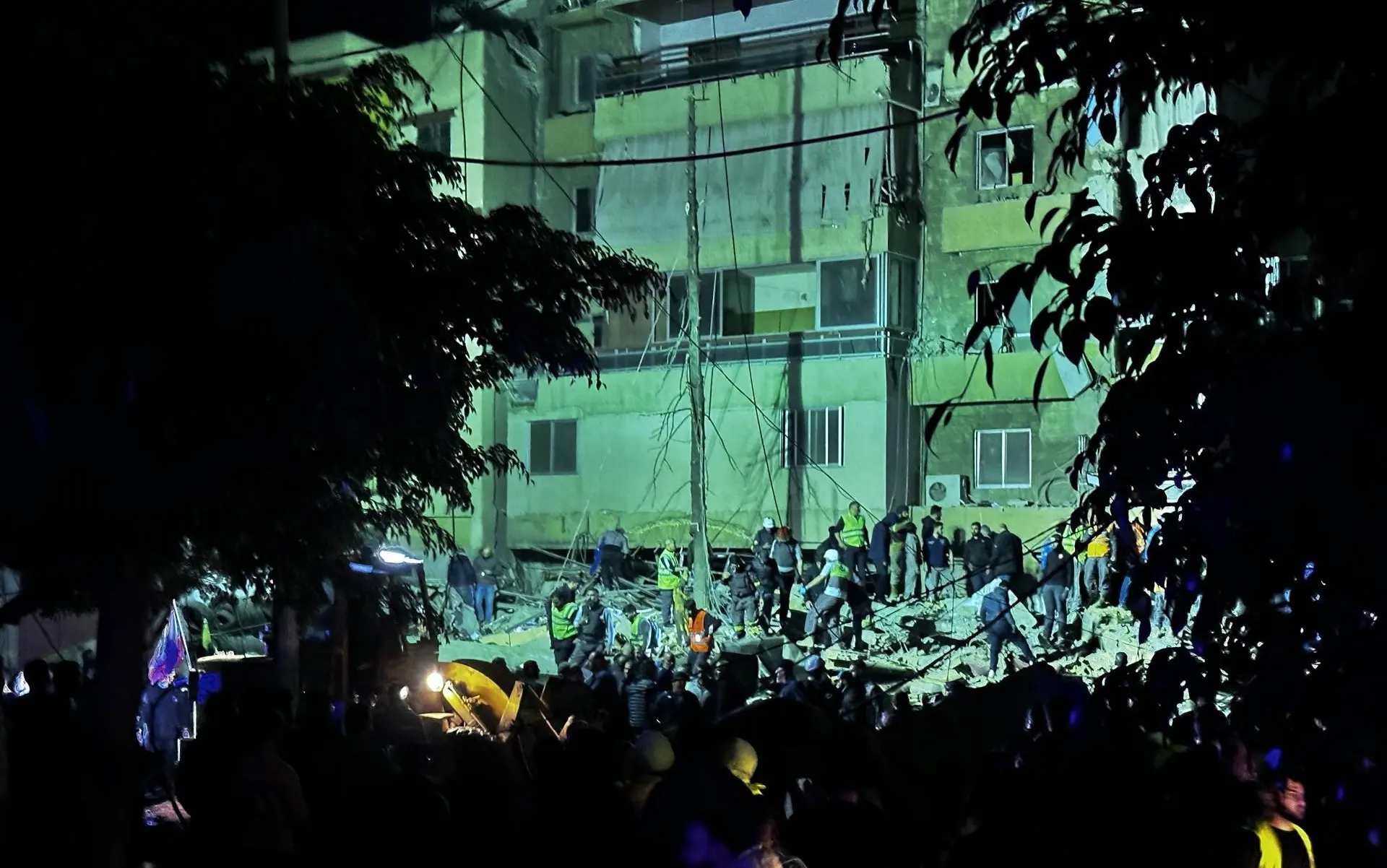
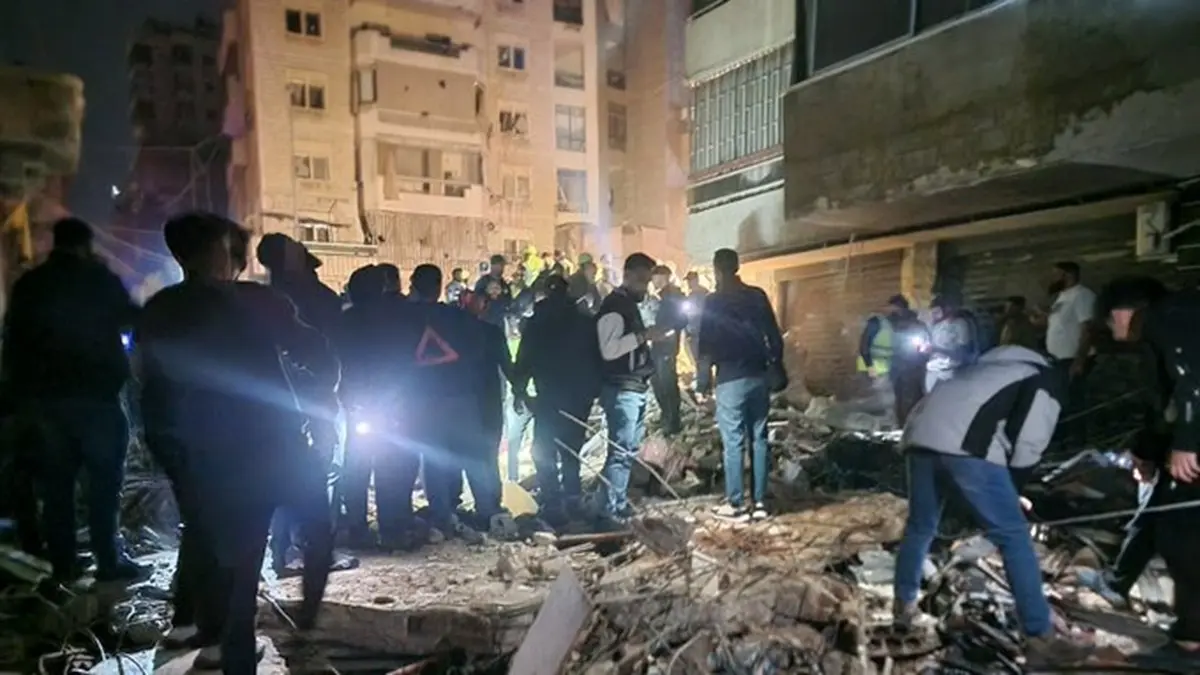
Southern Lebanon border area near the newly declared Israeli “Yellow Line” militarised zone. Photo: QudsNen
April 21, 2026 Hour: 6:58 am
🔗 Comparte este artículo
Israel declares a 10-km militarised “Yellow Line” in southern Lebanon, warning of live fire and expanding control claims
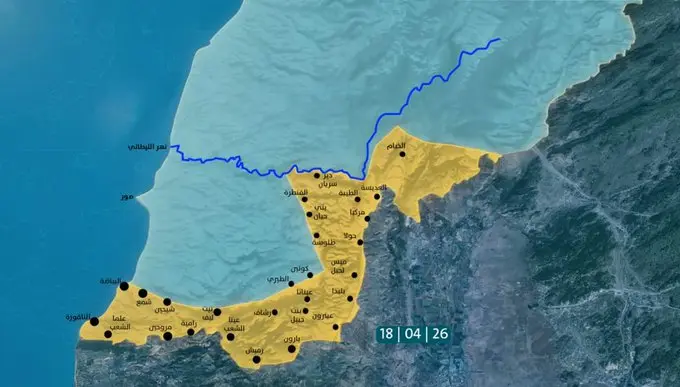
The Israeli army has established a so-called “Yellow Line” in southern Lebanon, declaring a 10-kilometre militarised zone where it says it will open fire on anyone approaching the area. The measure has been rejected by Hezbollah and has intensified tensions along the border amid disputes over sovereignty and ceasefire terms.
The “Yellow Line” was announced on 19 April by the Israeli military as an operational boundary in southern Lebanon. Israeli forces state the area will be enforced as a live-fire zone, targeting anyone who approaches it.
Hezbollah strongly rejected the measure, describing it as an occupation of Lebanese sovereign territory and a violation of a 10-day ceasefire agreement between Israel and Lebanon, which came into effect on 17 April.
Israeli authorities have also signalled an intent to destroy border villages in southern Lebanon and prevent displaced residents from returning, further raising concerns over forced displacement and long-term territorial control.
Text Reads: The Israeli army has established a 10-kilometer “yellow line” in southern Lebanon, a militarized zone where it claims it will open fire on anyone who approaches. Hezbollah rejected this measure, calling it an occupation of sovereign territory. 🔴 Tel Aviv has stated its intention to destroy Lebanese border villages and prevent the return of their residents. Israeli attacks in that area have resulted in the deaths of more than 700 people and injuries to approximately 2,000 since the ceasefire.
The demarcation mirrors an existing Israeli practice in the region, where troops reportedly open fire on individuals approaching designated zones.
Since the ceasefire between the Israel Defense Forces and Hamas on 10 October, attacks in related areas have resulted in more than 700 deaths and around 2,000 injuries, according to the figures cited in the reports.
Israeli military Arabic-language spokesperson Avichay Adraee said the plan includes areas extending beyond Lebanon’s southern coastline and into maritime zones, including the Lebanese Qana gas field. He stated that the measures aim to prevent what Israel describes as a “direct threat to northern cities.”
Initially, the Israeli military described the “Yellow Line” as a 10-kilometre buffer zone covering 55 villages and towns.
However, Lebanese researcher Ahmad Baydoun said the scope of the measures places approximately 70 Lebanese villages at risk, exceeding the initial estimate. He noted that the affected area includes inhabited communities such as the Christian villages of Rmeish, Debl and Ain Ebel, as well as the Sunni town of Shebaa.
The establishment of the “Yellow Line” deepens uncertainty along the Lebanon–Israel border, where military escalation and competing territorial claims continue to strain an already fragile ceasefire environment.
Author: MK
Source: Agencies